The institution
Repeat the drawers, the labels and the rhythms of office life. Familiar systems make the unfamiliar feel possible.
 Work
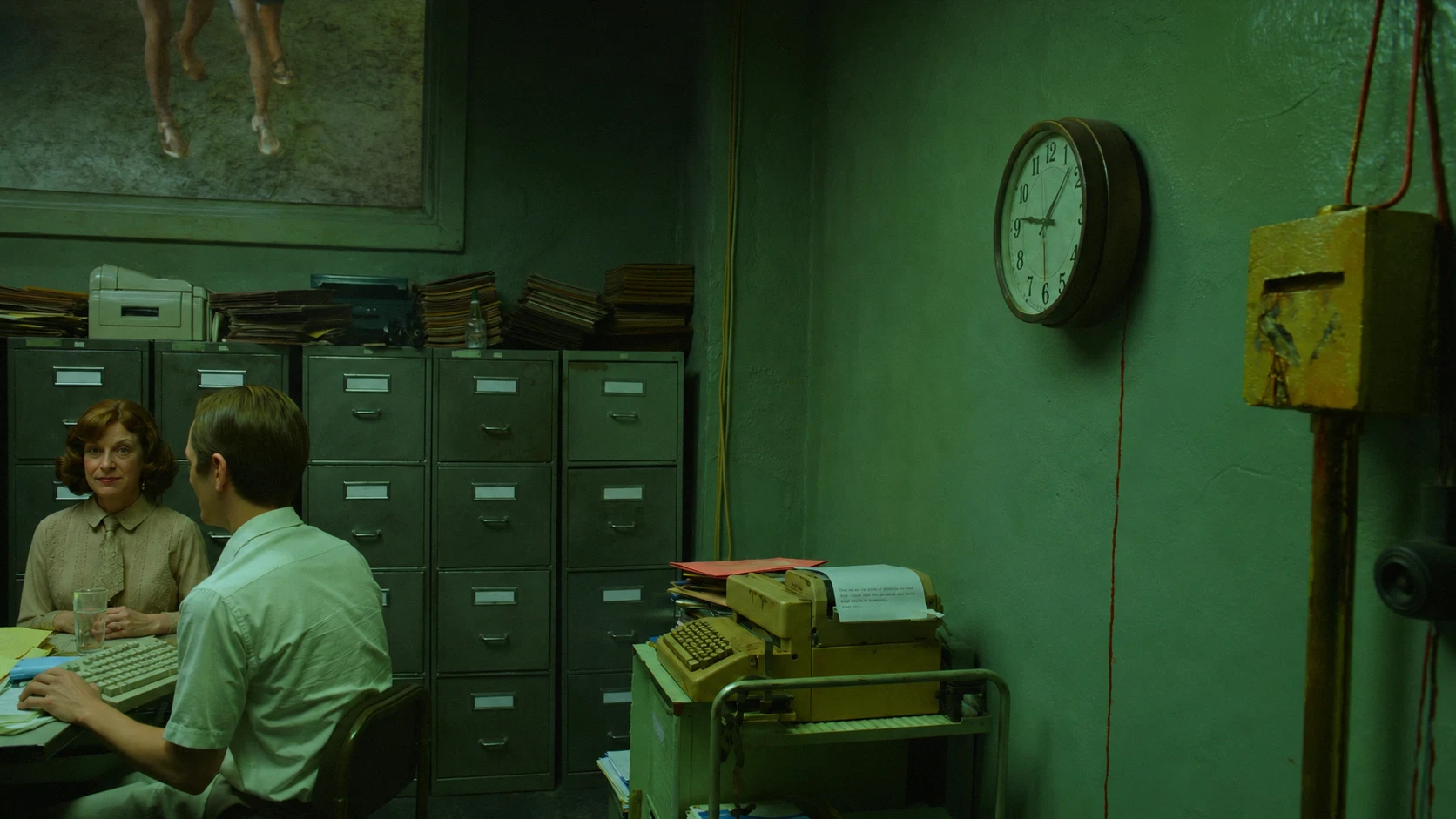
ORIGINAL AI SHORT FILM / IN DEVELOPMENT
Somewhere between memory and imagination,
there is a place for everything we’ve forgotten.
01 / THE STARTING QUESTION
What if the things we forget have somewhere to go?
Behind an unremarkable door, an extraordinary bureaucracy quietly goes about its business. Filing cabinets. Numbered drawers. Worn ledgers. Records of things that should be impossible to catalogue.
The Department of Forgotten Dreams is an original AI short film in development by Je t’aime Jacx. This is a working journal of its visual language: the people, the spaces and the decisions that make an imagined institution feel inhabited.
A look at the making. The story itself can wait.
02 / WORLD-BUILDING & PRODUCTION DESIGN
A world of ordinary routines and unfamiliar possibilities. The surfaces carry the years: institutional paint, handled paper, aged metal and cabinets that seem to have been here forever.
Repeat the drawers, the labels and the rhythms of office life. Familiar systems make the unfamiliar feel possible.
Patina, softened paper and small inconsistencies keep the world from feeling freshly manufactured.
Practical sources and directional daylight shape depth, atmosphere and the faces within the room.
03 / CHARACTER DEVELOPMENT
Character continuity starts before motion. Silhouette, clothing, facial proportions and small physical habits give each person a consistent presence from one frame to the next.
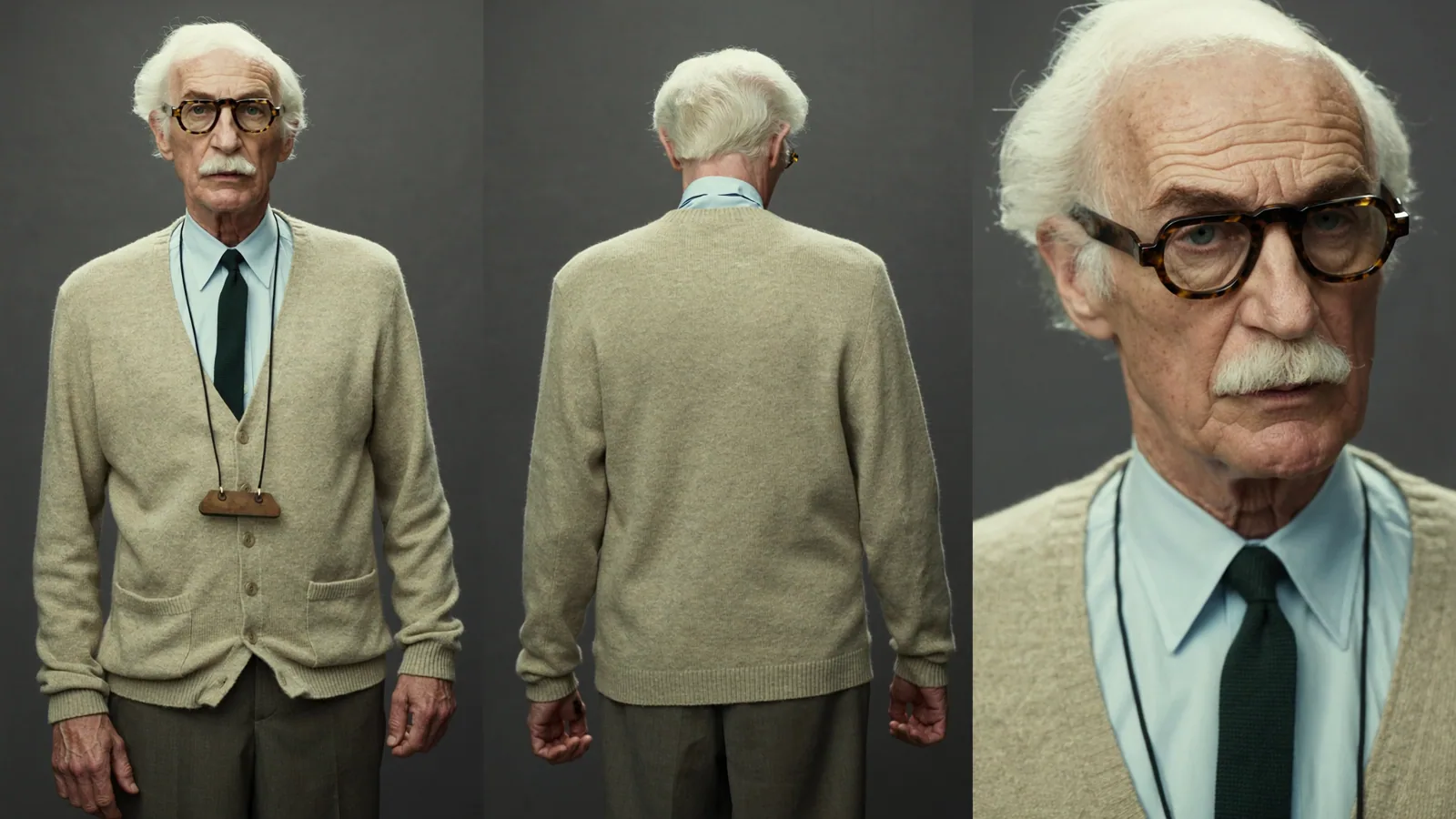
A face shaped by routine. Round spectacles, pale knitwear and a restrained physical vocabulary establish a recognisable screen presence.
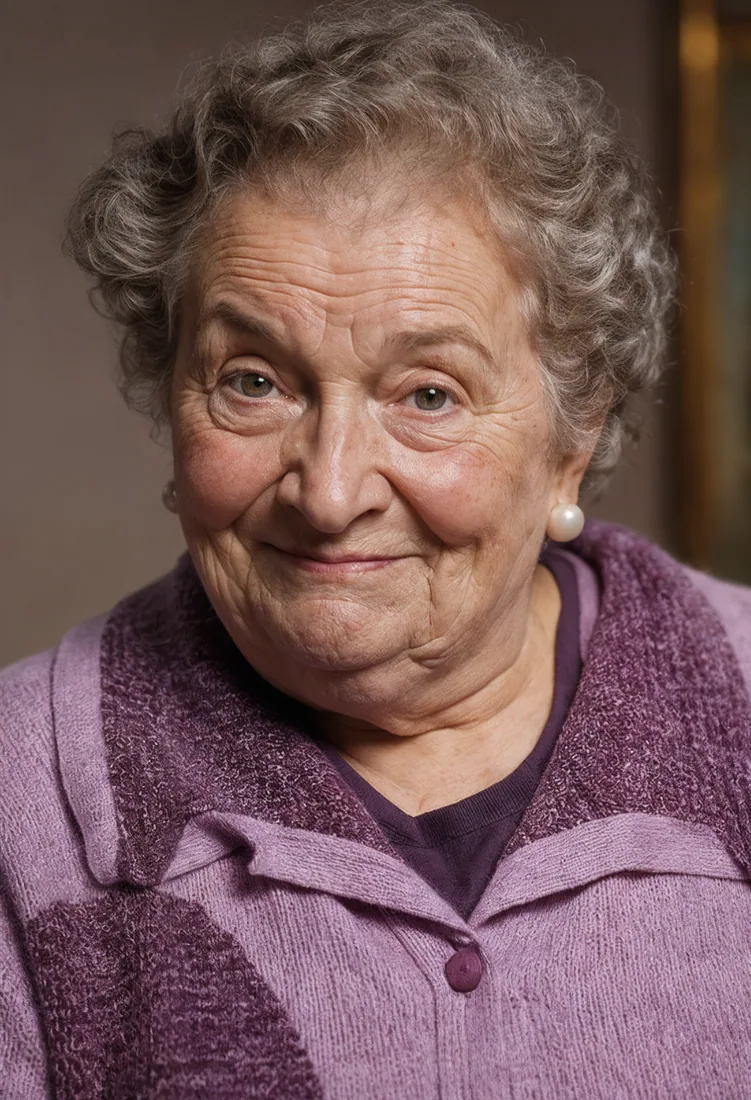
Soft texture and a direct, expressive gaze. The portrait study looks for warmth, individuality and the possibility of a thought before a line is spoken.
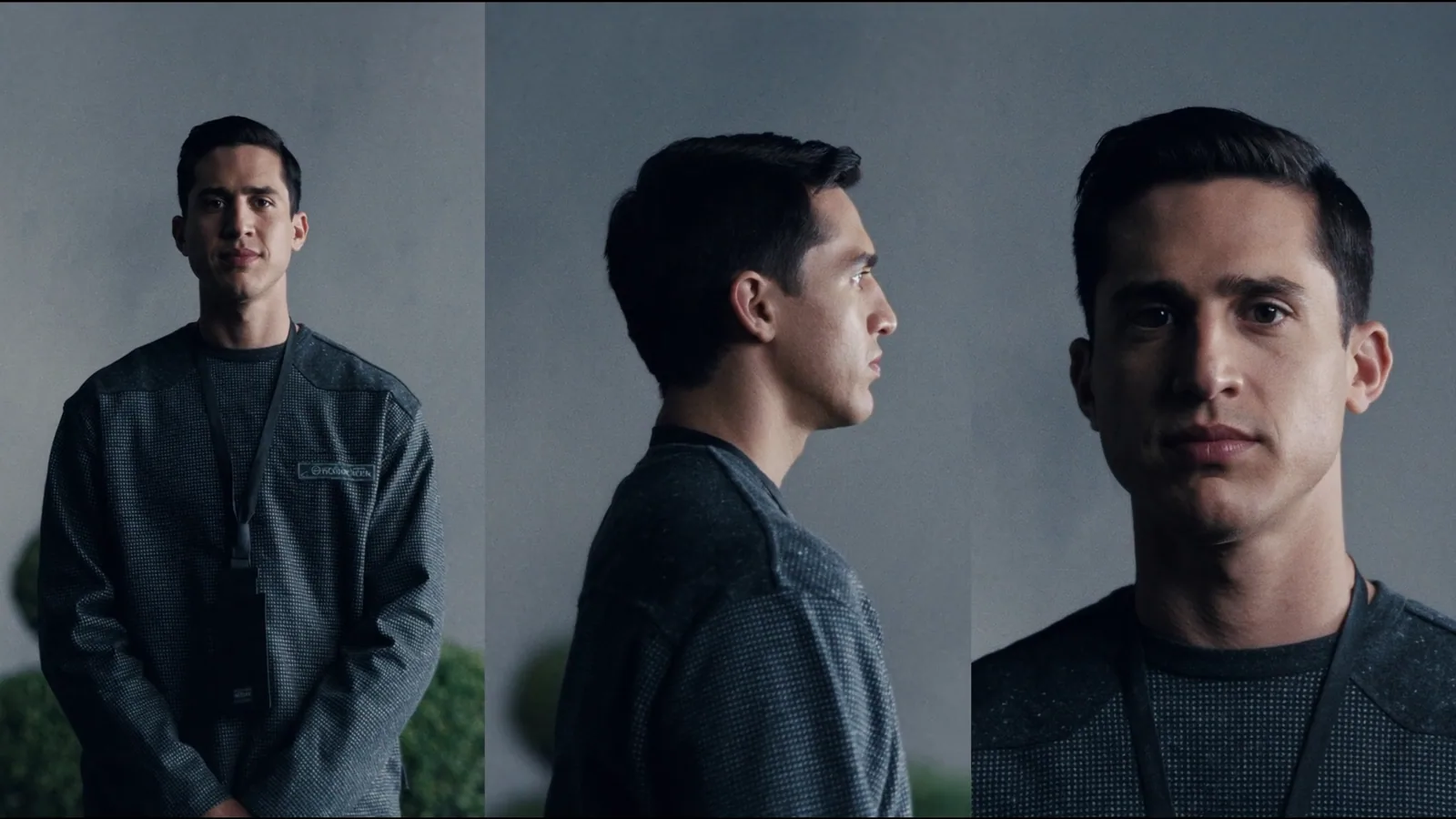
A contrasting silhouette and a quieter watchfulness. Profile and three-quarter studies help hold the same identity across changes of angle and light.
A DIRECTOR’S NOTE
A pause.
An eyeline.
A thought arriving.
The performance has to register in those small moments.
04 / PERIOD REFERENCES & COLOUR
The visual references draw on late-1970s and early-1980s institutional interiors. Analogue equipment, modest furniture, paper systems and practical light suggest a period without making the world feel like a costume display.
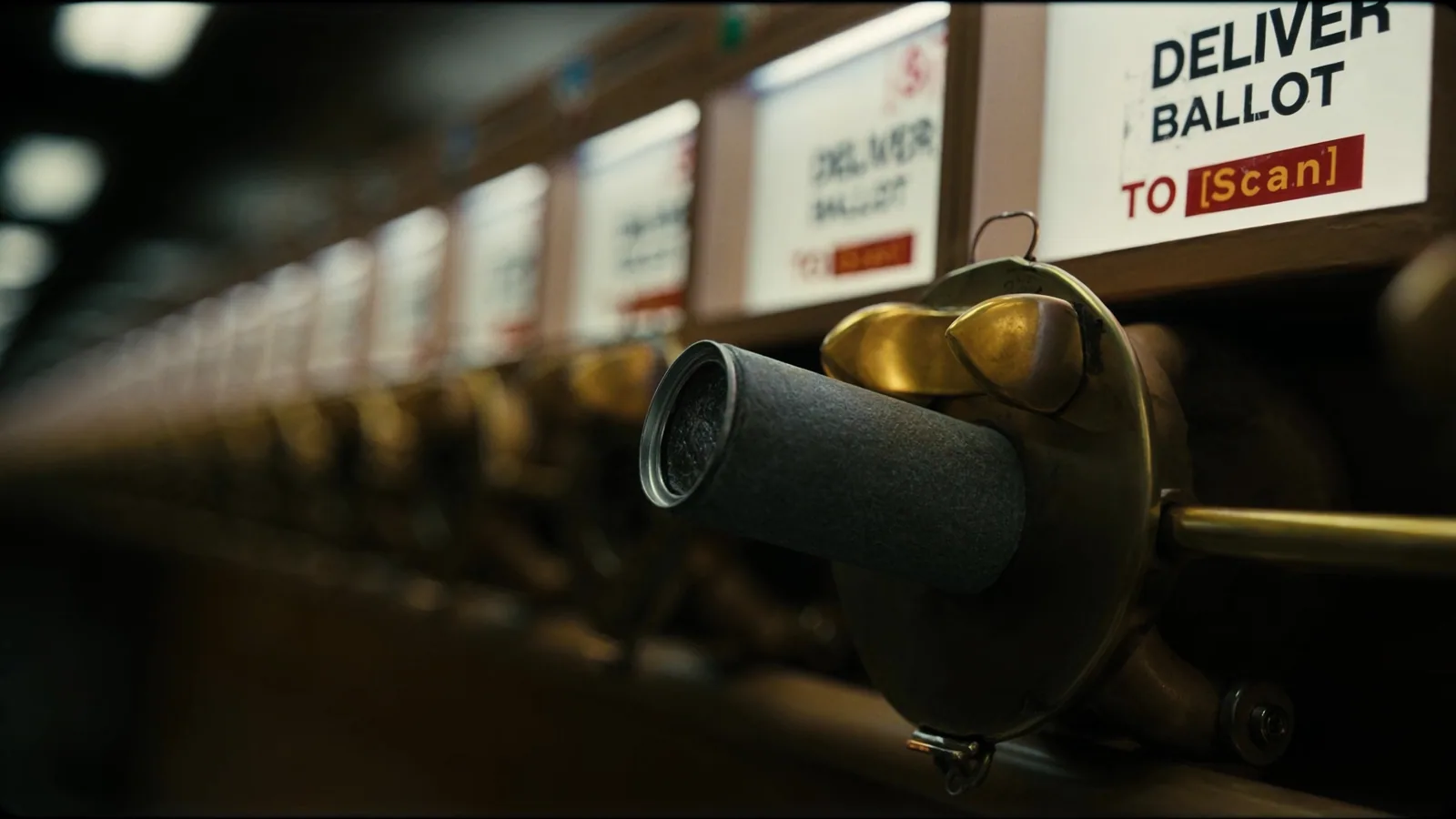
PRODUCTION DESIGN NOTES
Reference images test surfaces, construction and scale. Labels and period details are part of that development process, rather than finished production assets.
WORKING PALETTE / 60 : 30 : 10
Select a colour to explore its role.
Sea-green gives the institution its dominant atmosphere, carrying through walls, cabinets and the shadowed spaces between them.
05 / THE AI FILMMAKING PROCESS
The work moves between reference, image, motion and editorial judgement. A convincing still is a starting point. The next test is whether the character, space and performance continue to hold together.
Build the environment and material references first. Agree what belongs in the world: its palette, surfaces, light sources and visual rhythm.
Use front, profile and close-up character studies to test facial proportions, wardrobe and silhouette. Compare each new angle against that visual anchor.
Test a brief action or a quiet reaction. Motivated eyelines, pauses and physical contact matter as much as camera movement. Hands need to meet objects naturally; people need to occupy a coherent space.
Review performance, screen direction, light and continuity across shots. Keep the moments that carry the feeling, then revise the frames that break it. Development footage remains a study until it earns its place in the edit.
06 / SELECTED DEVELOPMENT EXCERPTS
Six development studies, from the scale of the archive to the smallest human gesture. Watch at full screen to explore the light, texture and performances. Glimpses of the craft, with the story’s major revelations held back.
THE INTENTION
An original AI film in development.
More from inside the department as the work unfolds.